10 Best AGV AMR Manufacturers for Global Buyers?
The global market for agv amr systems is moving from pilot projects toward daily warehouse operations. Buyers now expect safer navigation, stronger fleet software, and measurable labor productivity. The choice is no longer based on vehicle specifications alone. Integration experience matters just as much.
The International Federation of Robotics reported 541,302 industrial robots installed worldwide in 2023. Its World Robotics 2024 report also recorded more than four million industrial robots operating globally. These figures show a mature automation market, although industrial robots and mobile robots serve different workflows. Interact Analysis’s mobile robotics research identifies continued growth in autonomous mobile robot demand, especially in logistics, manufacturing, and fulfillment centers. Market forecasts vary, partly because vendors define AGVs, AMRs, and mobile robots differently. That inconsistency deserves attention.
A credible manufacturer should demonstrate more than an impressive product video. Global buyers should examine navigation performance, battery charging, payload stability, software interoperability, cybersecurity practices, service coverage, and documented uptime. A robot crossing a busy warehouse aisle is useful only when it avoids people, pallets, and unexpected obstacles consistently. Installation records and customer references often reveal more than brochures.
This guide reviews ten leading AGV and AMR manufacturers for international buyers. The comparison considers product maturity, deployment experience, regional support, integration capability, and total cost of ownership. No ranking is perfect. A supplier that fits a 50,000-square-meter distribution center may not suit a compact factory. Readers should validate every claim through site trials, reference calls, and local compliance checks before making a purchase.
What Are AGV and AMR Systems?
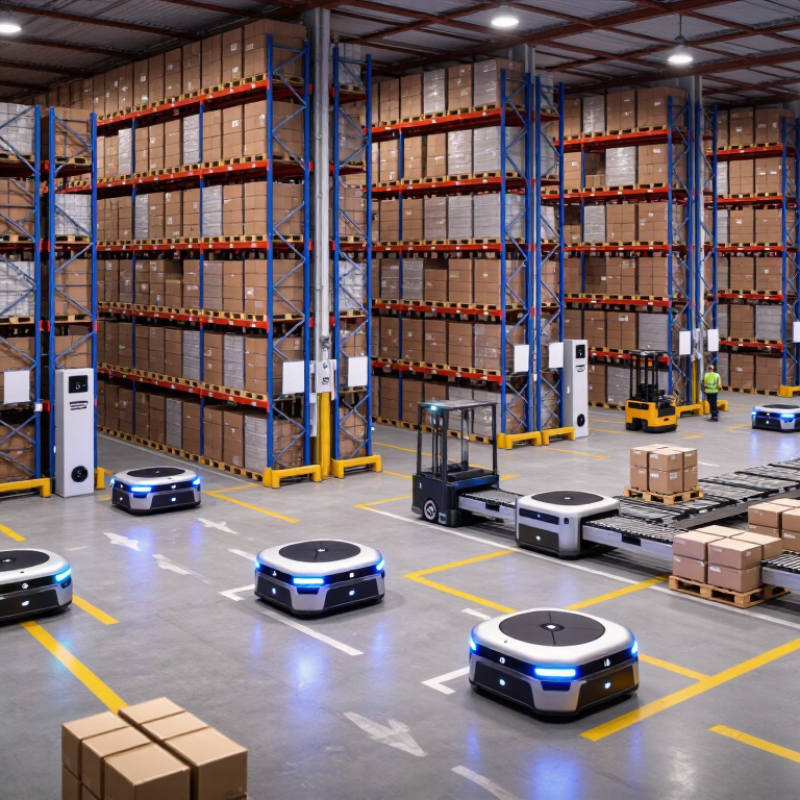
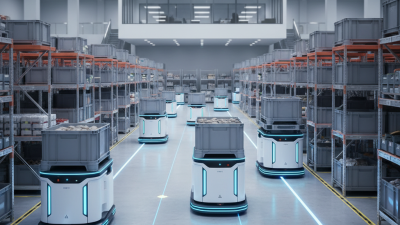
Automated Guided Vehicles, or AGVs, move materials along predefined routes. They usually follow magnetic tape, floor markers, wires, or mapped paths. AGVs suit factories with stable layouts and repeatable transport tasks. A pallet AGV may collect a loaded platform, stop at a safety zone, and deliver it to a workstation.
Autonomous Mobile Robots, known as AMRs, navigate with cameras, sensors, scanners, and onboard software. They can identify people, racks, and temporary obstacles. An AMR may reroute when a cart blocks an aisle. Routes can change. This flexibility supports warehouses, hospitals, laboratories, and production sites with frequent layout adjustments. However, AMRs still need accurate maps, charging plans, traffic rules, and trained operators.
The difference matters.
AGVs often provide predictable performance at a lower control complexity. AMRs can respond better to changing conditions, but their software and integration demands may be higher. In real facilities, neither system works alone. Floor quality, load weight, aisle width, network stability, and emergency procedures affect results. Not magic.
I have seen automation projects slow down because the robot was chosen before the workflow was measured. A short route may hide long waiting times at elevators or packing stations. Poorly placed charging points can reduce useful operating hours. Buyers should test one complete process, record exceptions, and review safety performance before expanding. The best choice depends on the environment, not on impressive specifications.
How to Evaluate AGV and AMR Manufacturers
Choosing an AGV or AMR manufacturer starts with evidence, not polished brochures. Ask for deployment records in warehouses resembling yours. Check payload, aisle width, floor condition, shift length, and traffic density. A machine moving empty pallets is not equal to one handling mixed cartons. Request site references and speak with operating teams, not only sales staff. Their comments often reveal charging delays, sensor cleaning, and software frustrations.
Technical evaluation should cover navigation accuracy, obstacle detection, fleet management, and integration with WMS or ERP systems. Request live demonstrations using your pallet dimensions, rack layout, and wireless environment. Safety documentation should explain speed limits, emergency stops, risk assessment, and maintenance procedures. Confirm applicable regional standards through qualified professionals. Also examine cybersecurity controls, data ownership, remote access, and update policies. These details matter after installation.
Commercial reliability needs equal attention. Compare total cost over five years, including batteries, spare parts, training, software fees, and technician response times. Ask what happens when one robot fails during a night shift. A realistic pilot can expose gaps that presentations hide. Set measurable targets for throughput, uptime, recovery time, and operator workload. No forecast is perfect. I have seen projects underestimate floor unevenness and human traffic. Leave room for redesign, because a technically strong system may still fit poorly into daily work.
How to Evaluate AGV and AMR Manufacturers
A practical buyer evaluation model should balance operational performance, safety, integration capability, and long-term service support. The suggested weighting below helps global buyers compare suppliers consistently without relying only on vehicle price.
Suggested evaluation weighting: payload and application fit are prioritized first, followed by navigation flexibility, safety compliance, software integration, and international service capability. Buyers can adjust the weights according to warehouse, manufacturing, or hospital logistics requirements.
Key Technologies and Industries Served by Each Manufacturer
Global buyers should compare AGV and AMR manufacturers by technology fit, not advertising volume. Warehouse-focused makers often combine LiDAR, SLAM navigation, barcode scanning, and cloud fleet management. Their robots support e-commerce picking, parcel sorting, and pallet movement. Some providers specialize in tugger vehicles for factories. Others build autonomous forklifts for loading docks and high-bay storage. These systems require accurate maps, safety scanners, and dependable integration with warehouse management software.
Different manufacturers serve different operating environments. Mobile robotic arms assist order picking and machine tending in electronics and automotive plants. Cleanroom specialists use sealed designs, low-particle wheels, and controlled charging systems. Healthcare-focused suppliers develop compact robots for medicine delivery, linen transport, and laboratory samples. Retail-oriented companies support shelf replenishment and backroom movement. Outdoor logistics manufacturers add weather protection, rugged sensing, and precise docking for yards and ports.
Performance evidence matters. Ask for site references, response-time records, payload tests, and integration details. A food producer may prioritize washdown resistance, while a metal plant needs heat tolerance and stronger traction. Vision systems can improve object recognition, but poor lighting still creates uncertainty. Fleet software may look impressive during demonstrations. Daily maintenance reveals more. Buyers should also examine cybersecurity controls, training, spare-part access, and local service coverage. A technically advanced robot can underperform when floor conditions, traffic rules, or worker habits are ignored. Pilot testing remains necessary, even when the supplier has strong industry experience.
How Global Buyers Can Select the Right Supplier
Choosing among the 10 best AGV and AMR manufacturers requires more than comparing vehicle prices. The International Federation of Robotics reported over 205,000 professional service robots sold in 2023. Transportation and logistics represented the largest application group. This growth increases supplier choice, but also increases evaluation risk.
Ask each supplier for recent deployments with similar payloads, aisle widths, floor conditions, and shift patterns. Request measurable results, including completed missions per hour, charging downtime, and intervention frequency. Review compatibility with your warehouse management system and manufacturing execution system. Safety documentation should address ISO 3691-4 and relevant regional requirements. A live site visit is more useful than a polished demonstration.
Total cost matters more than the initial quotation. Compare batteries, software subscriptions, spare parts, training, remote support, and local response times. Interact Analysis has identified mobile robots as a rapidly expanding warehouse automation segment, yet market growth does not guarantee reliable implementation. I would treat optimistic payback claims carefully. They may exclude integration work and temporary production disruption. A controlled pilot can expose these weaknesses. Start with one workflow, define acceptance metrics, and require transparent failure reporting before signing a larger contract. Reliability is earned on the warehouse floor.




Fabricator
Inside Sales and Client Support Manager
Glass Handler – 1st Shift